

The Ultimate Guide for Your Financial Records, Accounting, and Bookkeeping
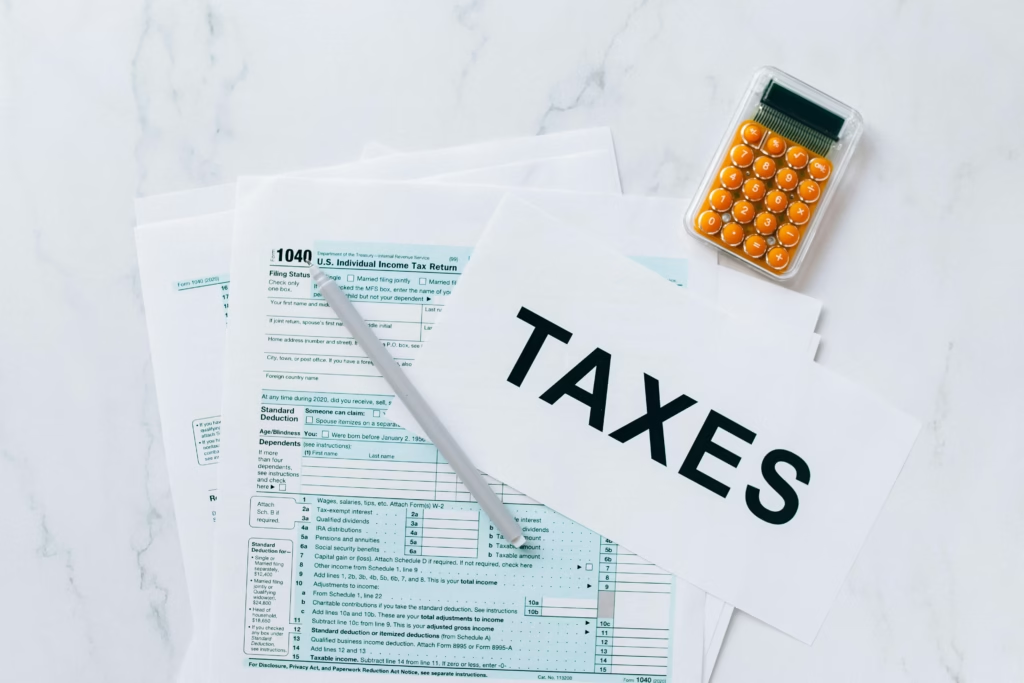
Tax season can be stressful for small business owners and freelancers alike. One of the main causes of anxiety is disorganized financial records, incomplete accounting, and poor bookkeeping. But with proper preparation, tax filing can be smooth, accurate, and even help you save money. In this blog, we’ll cover how to organize your financial records, streamline accounting, and maintain bookkeeping so you’re fully prepared for tax season.
1. Organize Your Financial Records
Your financial records are the foundation of your tax filing. If they are disorganized, you risk errors, missed deductions, or even audits. Here’s how to prepare:
- Collect all invoices and receipts – Both digital and physical copies. Categorize them by income, expenses, or tax-deductible items.
- Bank statements and payment records – Ensure you reconcile your bank accounts monthly.
- Payroll and employee records – Keep accurate payroll details, salaries, and benefits for employees.
- Previous tax returns – Review last year’s tax returns for guidance and consistency.
2. Streamline Your Accounting
Accounting helps track your income, expenses, and overall financial health. Efficient accounting makes tax season easier and more accurate:
- Use accounting software – QuickBooks, Xero, or MS Excel can simplify tracking income, expenses, and tax liabilities.
- Separate business and personal finances – Avoid mixing personal and business transactions.
- Track deductible expenses – Identify expenses like office supplies, software, and travel for deductions.
- Monitor income regularly – Keep tabs on sales, revenue streams, and outstanding invoices.
3. Maintain Accurate Bookkeeping
Bookkeeping ensures that every financial transaction is recorded correctly. Proper bookkeeping is essential for tax compliance and financial decision-making:
- Record transactions daily or weekly – Avoid waiting until the end of the year.
- Categorize expenses accurately – Helps in preparing financial statements and tax filing.
- Reconcile accounts regularly – Compare your bookkeeping records with bank statements.
- Hire a professional if needed – Consider outsourcing bookkeeping for efficiency and accuracy.
4. Prepare Supporting Documents
Tax authorities may request supporting documents, so keep them ready:
- Receipts for expenses and purchases
- Invoices for sales and services
- Loan or mortgage documents
- Investment statements
- Charitable donation receipts
Having organized supporting documents reduces stress and ensures you can maximize deductions.
5. Schedule a Review Before Filing
Before submitting your tax return:
- Review all financial statements and reports
- Check for errors or missing transactions
- Confirm deductible expenses and credits
- Consult a tax professional if needed
This proactive approach can prevent errors and save you money.
Conclusion
Preparing for tax season starts months in advance with proper financial records, organized accounting, and accurate bookkeeping. By following these steps, you can reduce stress, avoid errors, and ensure maximum deductions.
Take control of your finances today to make tax season hassle-free and efficient.
Avoid Financial Mistakes: Understand IFRS vs GAAP Easily
Follow us on Instagram